Road enthusiasts, whether motorcyclists or drivers, must face specific challenges to obtain their respective licenses. The preparation and requirements vary significantly between the motorcycle code and that of the car, reflecting the inherent differences between these two modes of transport.
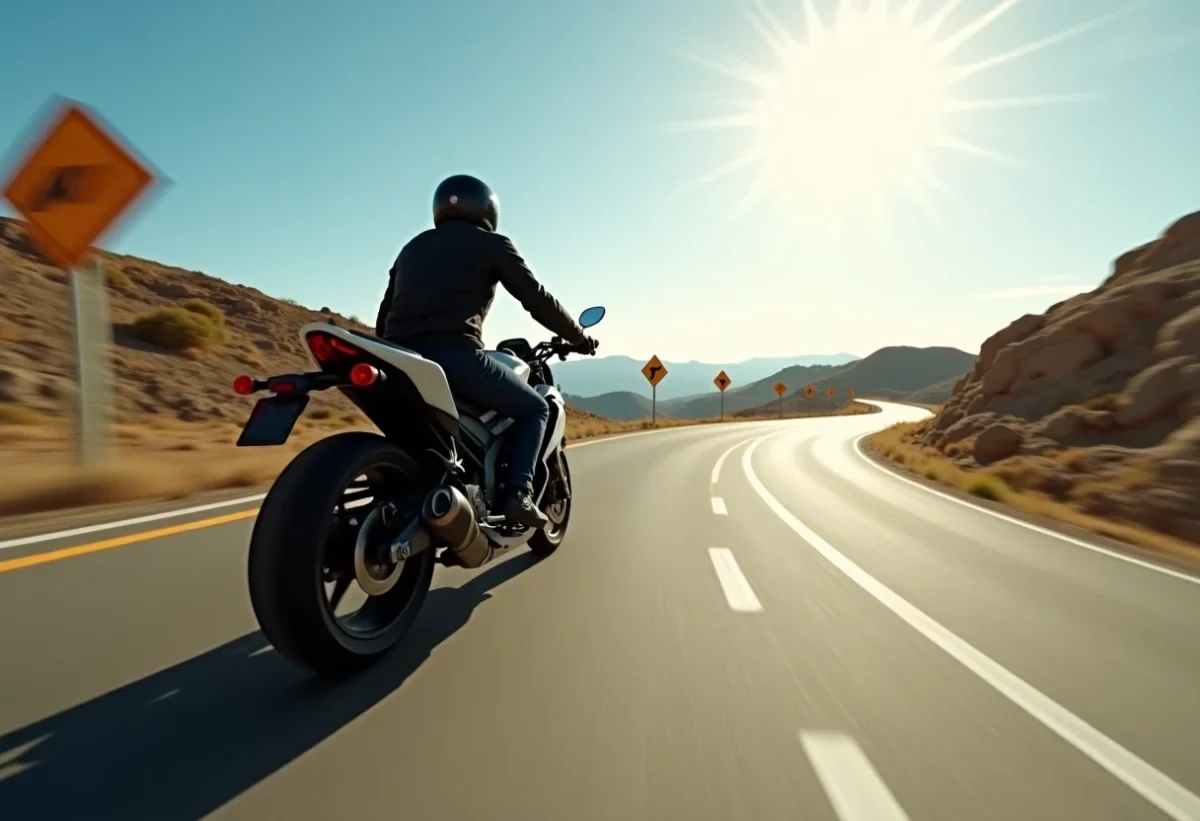
Future motorcyclists must master unique skills, such as balance and handling tight turns, while aspiring car drivers focus more on urban maneuvers and traffic management. These distinctions influence how candidates prepare for and succeed in their exams.
The specifics of the motorcycle and car code tests
The motorcycle road code is an essential test for anyone wishing to obtain their motorcycle license. In effect since March 1, 2020, this test consists of 40 questions. To pass, candidates must achieve a minimum of 35 correct answers. This rigorous assessment is part of a commitment to ensure comprehensive and safe training for future motorcyclists.
The motorcycle license is divided into two distinct tests: the Theoretical Motorcycle Test (ETM) and the driving exam. The ETM, introduced with the 2020 reform, covers specific aspects of riding two-wheeled vehicles, such as balance, maneuverability, and cornering. This theoretical assessment is followed by the driving exam, where candidates must demonstrate their practical mastery of the motorcycle.
- Motorcycle code: 40 questions, 35 correct answers to pass
- Theoretical Motorcycle Test (ETM): specific aspects of riding two-wheeled vehicles
- Driving exam: practical demonstration
For candidates for the car license, the process is different. The road code for drivers focuses on understanding traffic rules, signage, and good practices on the road. The theoretical exam is followed by a practical exam where candidates must prove their ability to navigate varied environments, from urban streets to country roads.
In comparison, the difficulty of the motorcycle code lies in the specific skills required for riding two-wheeled vehicles. The requirements for balance and maneuverability are not found in the car license, where the emphasis is on traffic management and road safety in urban settings.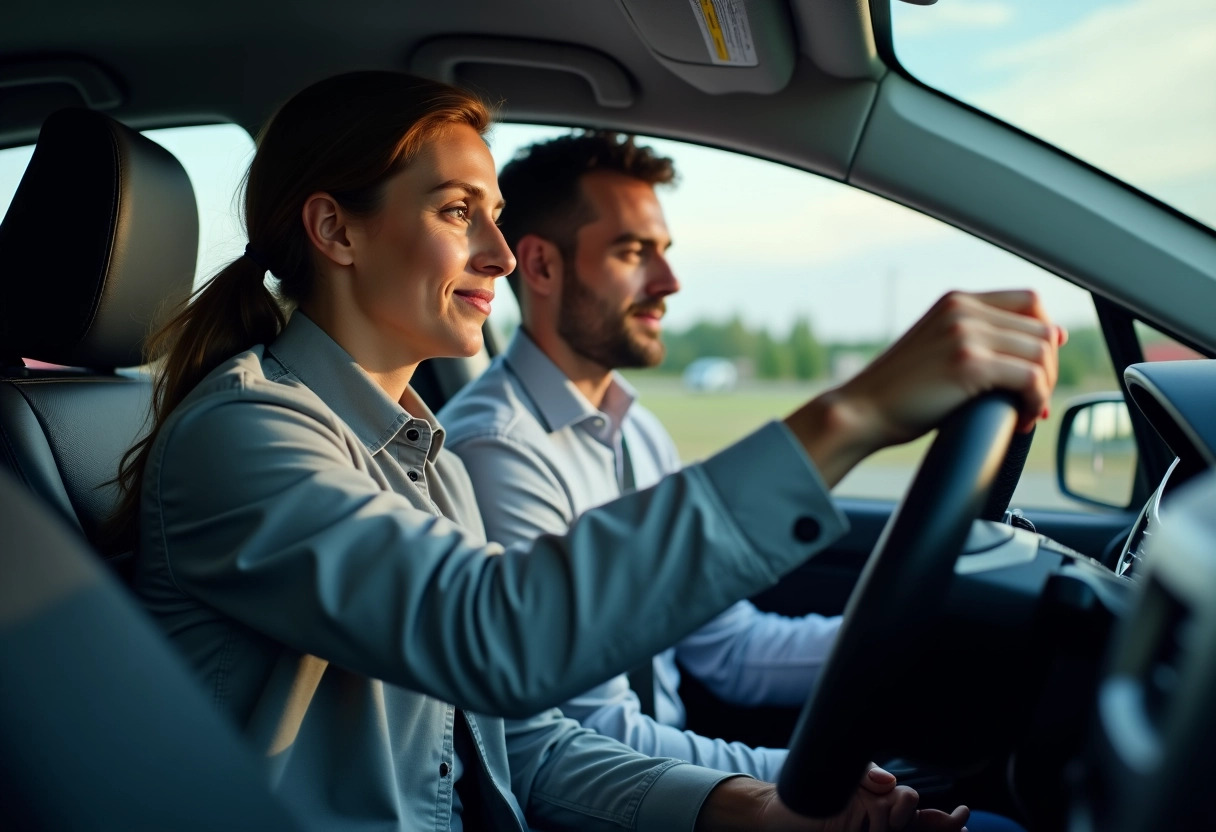
Comparative analysis of challenges and requirements
The motorcycle license consists of several categories, each with its own requirements. The A1 license, available from the age of 16, allows the operation of motorcycles from 50 cc to 125 cc. The A2 license, on the other hand, permits riding motorcycles under 35 kW from the age of 18.
| Category | Requirements | Minimum Age |
|---|---|---|
| A1 License | Motorcycles from 50 cc to 125 cc | 16 years |
| A2 License | Motorcycles under 35 kW | 18 years |
| A License | All categories of motorcycles | 2 years after obtaining the A2 license |
The A License is the most comprehensive, allowing the operation of all categories of motorcycles. It requires having held the A2 license for at least two years. The complexity of these tests is explained by the diversity of vehicles and driving conditions.
In contrast, the B License, intended for drivers, also allows the operation of a motorcycle from 50 cc to 125 cc or a motor tricycle after a 7-hour course. This training is less demanding compared to the motorcycle tests, reflecting the perceived difference in danger between the two types of vehicles.
The management of driving license applications falls under the responsibility of the National Agency for Secure Documents (ANTS), while the Ministry of the Interior publishes national pass rates. These organizations play a key role in regulating and ensuring transparency in the process, guaranteeing fairness and safety on the roads.