Spending a few days surrounded by nature is often a chance to get away from everyday life. But once you arrive, your choice of activities can make or break the experience. Hiking, cycling, kayaking, camping: each engages your body and senses in a different way, and not every activity suits everyone. Before packing your bag, it’s worth understanding what makes the difference between a great day out and a frustrating one.
Choose an outdoor activity that matches your actual fitness level
Have you been running twice a week for a year? Trail running or mountain biking should require little adjustment. Haven’t exercised in six months? A moderately difficult marked trail is a better place to start than an ambitious climb.
This gap between what you want to do and what you’re capable of is the main source of disappointment outdoors. Choosing an activity that’s too physically demanding can turn enjoyment into a chore, and sometimes even create a safety risk. The key is how consistently you can sustain the effort, not your maximum intensity.
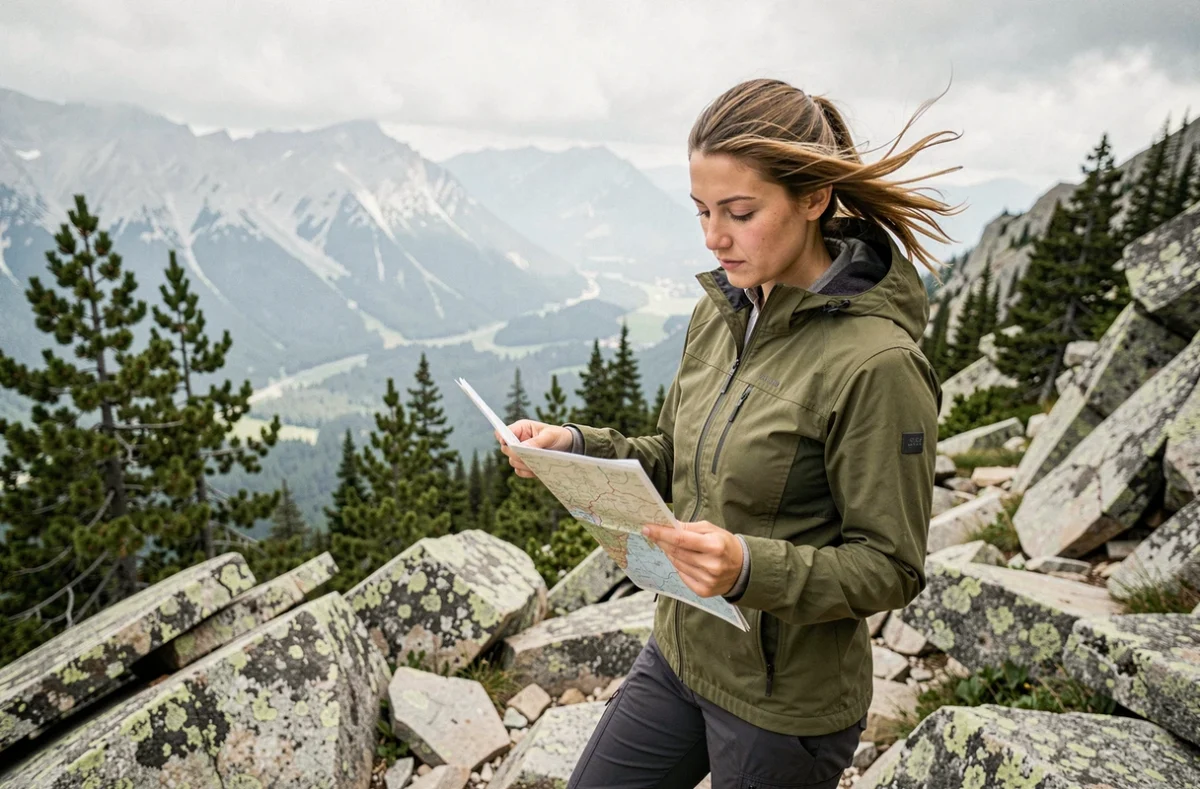
In practical terms, hiking on a marked trail (GR or PR) is the most accessible starting point. Departmental trail maps indicate difficulty, duration and points of interest, making it easier to tailor your outing to your ability. Cycling on a greenway is also suitable for beginners, with a steady pace and few technical challenges.
For more demanding activities (outdoor rock climbing, canyoning), the rule is simple: try it for the first time with a state-certified instructor, never on your own. It’s a matter of safety as much as enjoyment.
To explore the activities offered by Aller Retour, simply filter by your profile and interests, helping you avoid the common pitfall of choosing an activity that’s not right for you.
Whitewater or lake activities: let the location guide your choice
Kayaking on a calm lake and canyoning in a mountain torrent have little in common, even though both involve water. Before choosing a water-based activity, consider what the location itself makes possible and appropriate.
Kayaking and swimming in natural settings
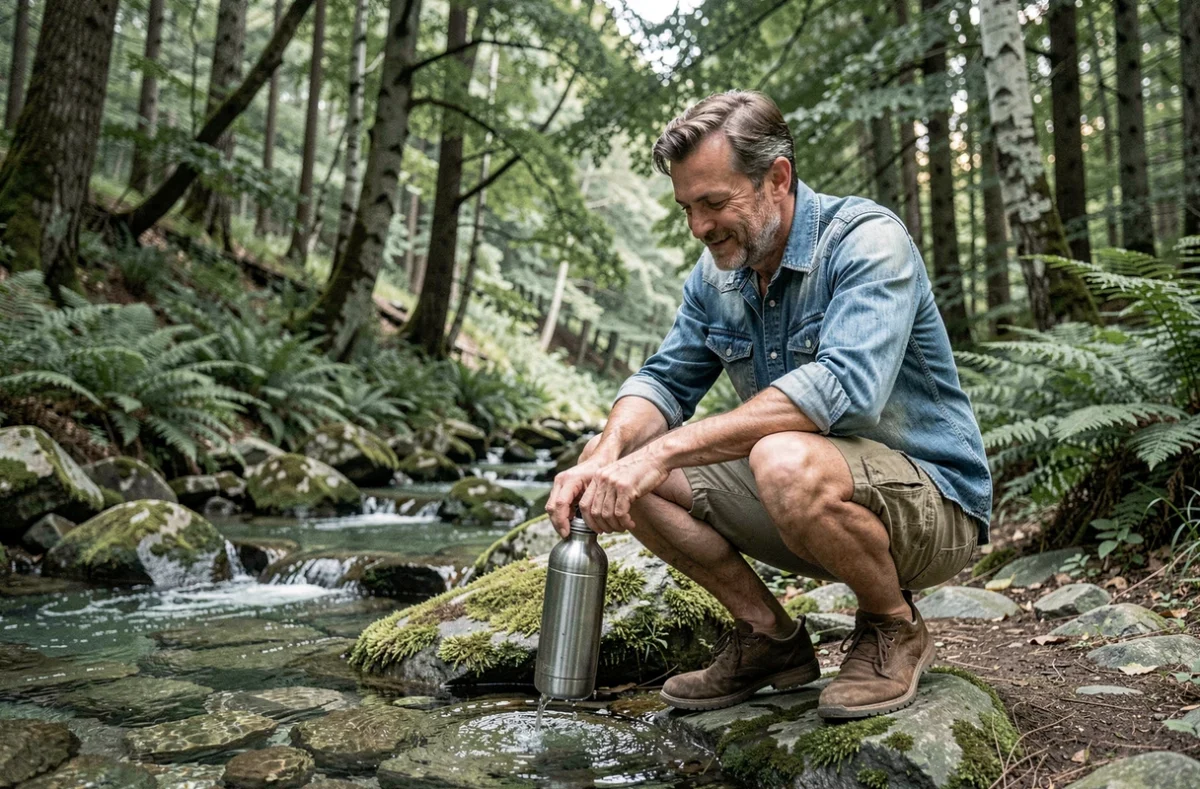
Kayaking on a lake or calm river requires little technical skill and offers an excellent balance of effort and immersion. You can take in the shoreline from the water and reach places you can’t see from the trails. It’s an ideal activity for families or couples.
Swimming in high-altitude lakes is attracting more and more visitors. Écrins National Park monitors changes in visitor numbers linked to this activity, since swimming and camping at high altitudes can affect the environment. Before taking a dip, check the site’s local guidelines: some areas are off-limits or regulated to protect wildlife.
River fishing
Fishing is often overlooked in lists of outdoor activities. It calls for a slower pace, attentiveness to your surroundings and a level of patience that hiking and cycling don’t require. For those looking to slow down rather than get active, it’s a great choice. However, you’ll need a fishing permit and must follow the open seasons, which vary by department.
Outdoor getaways with the family: practical things to consider
Going away with children changes everything. Activities should be broken into manageable sections, the terrain should be safe, and there should be regular changes of focus to keep younger children engaged.
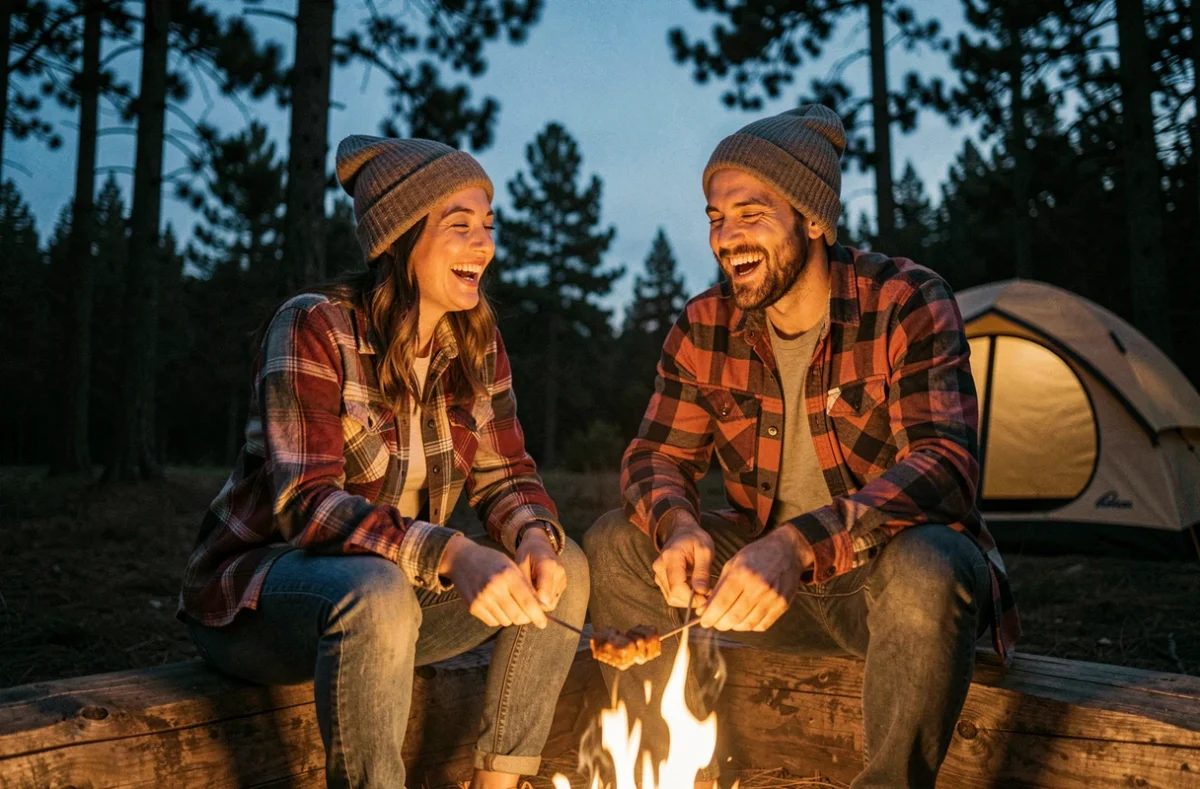
- Camping is the most well-rounded family activity: it combines practical tasks (pitching a tent, cooking outdoors), discovering the natural environment and free time. Children gain a sense of independence they don’t have in everyday life.
- Nature observation outings (birds, insects, animal tracks) are offered by many nature reserves and associations. They don’t require any particular level of fitness and teach children to look before they walk.
- Forest adventure courses (high ropes, zip lines) offer supervised thrills and are suitable for children from six or seven, depending on the provider.
Alternating physical activity with quiet observation throughout the day helps prevent fatigue and arguments. A morning hike followed by an afternoon by a stream works better than a full day of hiking with children.
Gear and safety: what changes depending on your activity
Gear isn’t a minor consideration. It affects comfort, safety and sometimes whether the outing is even possible.
For hiking, well-broken-in shoes and plenty of water are essential. For cycling, carrying a spare inner tube and adjusting your saddle correctly (with your leg almost straight at the bottom of the pedal stroke) can prevent most problems.
In the mountains, check the weather the evening before and again on the morning of your departure. Conditions can change quickly, and a thunderstorm at altitude can turn an easy trail into dangerous terrain. The Ministry of Sports notes that trail markers play a direct role in keeping hikers safe.
- Hiking and trail running: suitable shoes, water (at least one and a half litres), waterproof clothing, a map or GPS track.
- Kayaking and water activities: a life jacket is mandatory, along with closed-toe shoes and sun protection.
- Camping: check local regulations (camping is prohibited in some nature reserves and national parks, except in designated areas) and bring a camping stove if fires are banned.
- Outdoor climbing: helmet, harness, checked rope, and an experienced partner or professional instructor.
Visitor numbers at natural sites: choose less crowded areas
National parks and popular natural sites experience visitor peaks that can spoil the experience and damage the environment. Écrins National Park uses monitoring systems to measure the numbers of hikers, swimmers and campers in sensitive areas.
Choosing a less crowded route makes for a quieter outing and helps protect the site. Departmental hiking maps list marked trails beyond the best-known routes, many of which are just as rewarding for their scenery.
Going on a weekday, setting off early in the morning or exploring a side valley are simple changes that can transform your getaway. The great outdoors is best enjoyed when you’re not stuck in a queue.