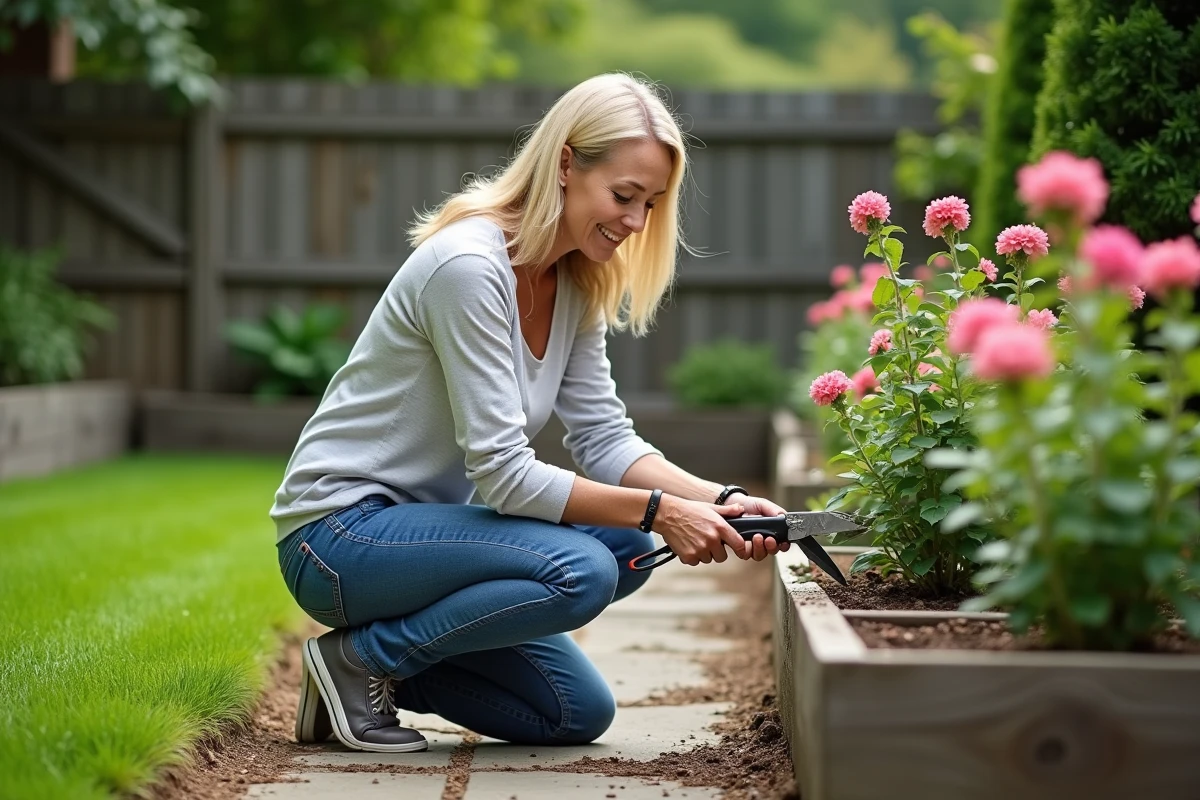
A garden is not a living museum where each plant occupies its place without conflict: some plants, contrary to the protective reflex, thrive more vigorously when nature imposes an element of surprise. Repeated watering, often well-intentioned, remains the primary cause of plant decline in our homes.
The biological cycles of the soil create, season after season, a subtle score: availability of nutrients, activity of microorganisms, everything evolves. It is by aligning our actions with this natural tempo that we ensure the vitality of the garden over time.
The fundamentals of a pleasant and easy-to-live-in garden
Thinking about your green space is not limited to lining up pots or multiplying plantings. Observing the soil, watching the light, is the foundation of any successful layout. Each species, each bed, has its requirements. There’s no point in forcing: choosing plants suited to the local climate and soil type avoids many disappointments. A vegetable garden will find its place where the sun lingers, while ferns and hydrangeas will prefer the coolness of the shade. Structuring your garden is mainly about seeking balance, not an overabundance of decorative ideas.
Here are some concrete tips for designing a garden that is both practical and welcoming:
- Distinguish the uses: create a lively terrace, reserve a corner for herbs, set up a relaxation or play area according to your priorities.
- Vary the shapes and textures: combine evergreen shrubs, perennial plants, and ground covers to ensure a decor that changes throughout the year.
- Care for circulation: facilitate access to the vegetable garden, tools, and plan comfortable paths to save time in your daily routine.
The question of water arises quickly. Targeted watering, rainwater collectors, well-distributed mulch: all these tips preserve the health of your plants and lighten maintenance. To explore other concrete approaches, the Monsieur Bricoleur garden site is full of resources to adapt every space, from balconies to large plots. Succeeding in your garden is primarily about acting with discernment, respecting life, and working with the seasons.
What tips to adopt for maintaining your garden throughout the seasons?
Garden care is played out in the details, at the rhythm of life. In spring, the soil awakens: sow, transplant, aerate. Using mature compost, observing the regrowth of perennials, working the soil without excess—this is what makes the difference. The advice for gardening during this period? Take your time, keep an eye on developments, and support growth without rushing it.
In summer, the heat imposes other rules: water early, limit evaporation, monitor accelerated growth. Generous mulching retains freshness and reduces watering. Prune shrubs after flowering, stay alert for the appearance of diseases, and adapt your interventions without standardizing treatments.
When autumn arrives, it’s time for preparation. Here are the key actions to adopt during this transitional season:
- Disinfect and store your tools after use.
- Plant autumn bulbs for early colors in the following spring.
- Protect sensitive plants with mulch or a thick cover, especially before the first cold spells.
Even in winter, the garden requires a discreet presence. Check protections, prune fruit trees out of the frost’s reach, monitor water reserves, and prepare for upcoming sowing. This patient follow-up, respectful of the natural rhythm, makes all the difference for thriving plants twelve months a year.

Ecological gestures for a sustainable and nature-friendly garden
Adopting a frugal approach that is attentive to biodiversity changes the game sustainably. Compost, for example, valorizes plant waste: peels, clippings, dead leaves become a resource that nourishes the soil without unnecessary effort. A thick mulch, placed at the base of plants, retains moisture in the soil, slows the growth of unwanted weeds, and limits the chore of watering.
By installing a discreet insect hotel, sheltered from drafts, you provide a refuge for solitary bees, ladybugs, and other valuable helpers. Focusing on local and nectar-rich plants enriches the table for insects and birds, ensuring a vibrant and resilient ecosystem.
To save water, installing a rainwater collection tank quickly proves to be cost-effective. Always water at the base, in the morning or evening, to limit evaporation. Here are the gestures to prioritize to enhance your garden’s autonomy:
- Generously mulch to limit water loss.
- Utilize plant residues through a composter.
- Create shelters for beneficial insects, such as insect hotels.
These simple practices transform every plot, whether urban or rural, into an authentic refuge. A garden, when respected, does not just survive: it becomes an ally, capable of facing the whims of the climate and thriving, season after season.