A household where the rules change according to the adults’ moods increases the risk of conflicts among its members. Yet, in 64% of families, no communication method is explicitly taught or discussed. Tensions do not always dissipate over time; they accumulate silently and impact everyone’s mental health.
Some practical guidelines, validated by research, can sustainably reduce frustrations and improve daily cooperation. However, few initiatives are genuinely implemented to adapt these solutions to each family’s reality.
Why family harmony remains a daily challenge
The family faces precarious balances every day. The frantic pace of life, between work, school, and outside commitments, leaves little room to establish calming family routines. In Paris as well as in the provinces, parents move under pressure, juggling daily stress, managing their children’s emotions, and establishing family rules that sometimes remain vague for everyone.
Children perceive the slightest tension and demand stability, but reality imposes fatigue, nervousness, and contradictory messages. It is difficult to truly listen, set coherent boundaries, and shape a harmonious family environment where everyone finds their place. An illuminated screen, a vibrating phone, and communication fragments, distancing parents and children instead of bringing them closer.
For parents, the whirlwind of daily life often takes over. Shared time dwindles, spontaneity fades, and rituals diminish. However, there are concrete avenues. Vive Mon Bébé’s advice offers realistic levers to reconnect dialogue, establish suitable routines, and ease tensions.
Reinventing family life then requires particular attention to each person and continuous adaptation. It is not enough to state rules: they must be lived, together, in mutual recognition and trust.
What levers can improve communication and strengthen family bonds?
The parent-child bond is built through sincere and respectful communication. In the tumult of daily life, active listening is essential: allowing everyone, both child and adult, to express their emotions without fear of judgment or interruption. This foundation of positive parenting prevents many misunderstandings and diffuses numerous tensions.
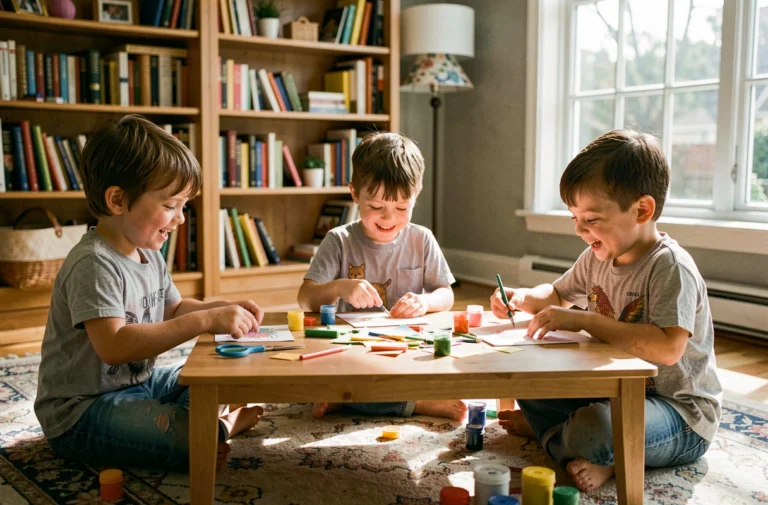
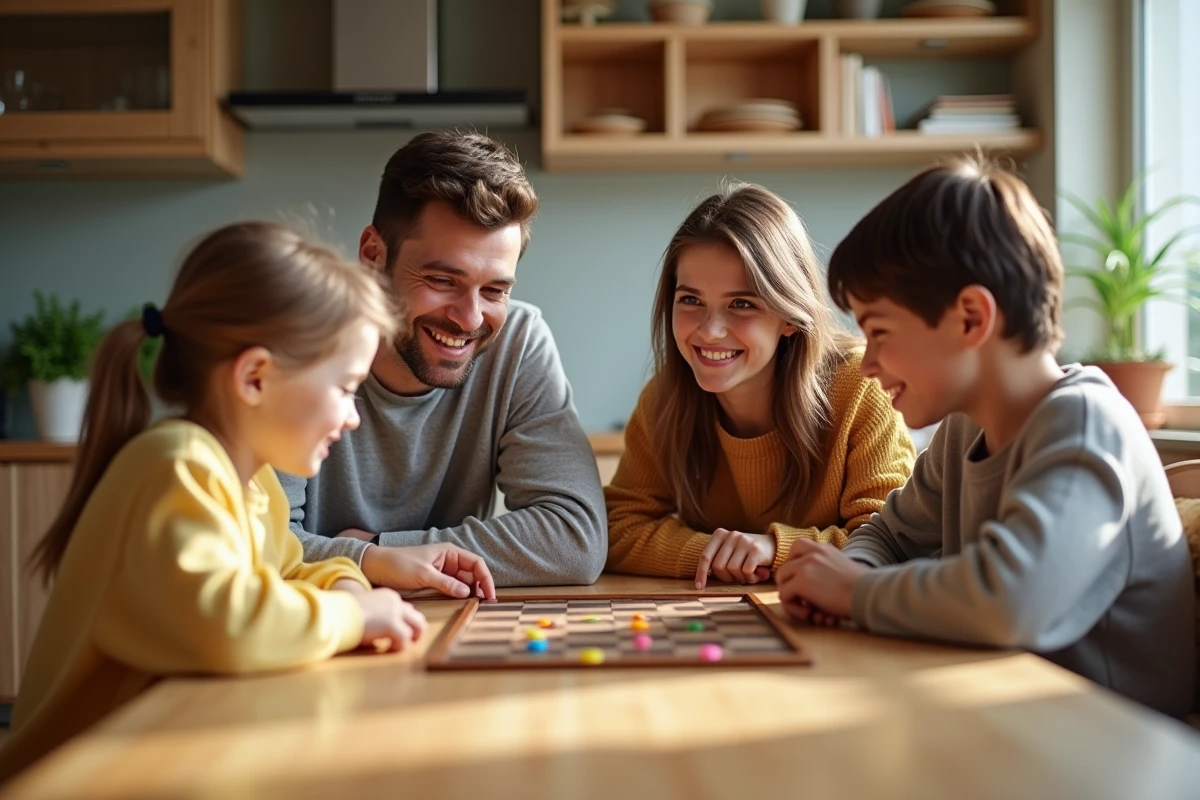
Parent-child communication goes far beyond words. A gesture, a smile, a hand on the shoulder: these signs of attention carry immense weight. To strengthen family ties, value shared moments, no matter how brief, around a game, a meal, or a collective project. Education in cooperation invites everyone to get involved in decisions, to make their voice heard, and to actively contribute to family life.
Several concrete practices promote this dynamic:
- Practice conflict resolution in the family by seeking solutions together without assigning blame. Analyze situations, explore options, and empower each member.
- Encourage mutual support: recognizing efforts, expressing gratitude, valuing progress—all of this strengthens the group’s cohesion.
- Integrate listening rituals: regular family meetings, calm exchanges before bedtime, shared reading moments—these are all opportunities to weave or reweave the links between parents and children.
The development of child communication relies on respect, collaboration, and attention to everyone’s words. Maria Montessori, Isabelle Filliozat, Robert Enright: all emphasize families’ ability to reinvent themselves through listening. The strength of the collective rests on the quality of these exchanges, on mutual support, and on the willingness to progress together.

10 concrete strategies to cultivate well-being and balance together
Family life is primarily written through shared moments. To foster more harmony, prioritize family routines that give meaning and rhythm to the days. Here are some concrete ideas to implement:
- a family meal where everyone has the opportunity to express themselves,
- a Sunday walk,
- a story told before sleeping.
These markers create a harmonious family environment, a fertile ground for trust and security.
Gratitude also shapes the atmosphere of the home. Robert Emmons, a specialist in positive psychology, demonstrates that regularly expressing thanks, even for small gestures, sustainably improves collective well-being. Why not establish an evening ritual where everyone shares a success or a thank you?
The autonomy of children deserves encouragement. Set clear limits, but allow them to choose certain activities or participate in organizing the home. This empowerment nurtures self-confidence and strengthens the feeling of belonging to the group.
Shared physical activity also fosters closeness: cooperative games at the park, yoga in the living room, bike rides… These moments away from screens release tensions and bond the family. Cohesion is also woven in quality time: a hug, a sweet word, attentive listening. Affection rituals and respect for individual needs form the foundation of family balance.
The family is not built on grand declarations, but on the sum of these small repeated gestures, these daily attentions that transform routine into a common strength. Tomorrow, the breakfast table or evening reunions could very well become the pillars of your regained harmony.